

These often-overlooked elements of our homes, such as curtains, play a significant role in the overall air quality of our indoor environments. With time, curtains can accumulate a variety of pollutants, ranging from dust and stains to allergens such as pet dander and dead skin cells. This concentration not only makes your curtains look dirty but also contributes to respiratory problems, particularly for individuals with asthma or other respiratory issues. A complete curtain cleaning can make a world of difference, promoting hygiene and refreshing the air you breathe.
Many homeowners are not aware that their curtains can contain harmful substances like mold and mildew, which thrive in the fabric's fibers. These fungi, along with dust mites and other allergens, can aggravate asthma symptoms and lead to chronic respiratory issues. By recognizing the importance of curtain care and using effective curtain cleaning methods, you can enhance your indoor air quality and create a healthier living space. This guide will look into various curtain cleaning techniques and their impact on overall hygiene and air quality.
The Importance of Curtain Cleanliness
Drapes often serve as a key decorative element in our homes but are frequently overlooked when it comes to hygiene. Over time, they gather dust and stains, harboring allergens that can impact indoor air quality. Routine cleaning is essential, as dirty curtains become a breeding ground for dust mites, mold, and mildew, all of which can contribute to respiratory problems like asthma. Maintaining curtain cleaning service kl in this area is crucial for a healthier living environment.
Moreover, drapes tend to trap pollutants such as pet dander and dead skin cells, contributing to a decline in air quality. When these particles accumulate, they can exacerbate allergies and other respiratory issues. It is vital not to underestimate the role drapes play in overall home hygiene. By incorporating curtain cleaning into your routine cleaning regimen, you can significantly reduce the presence of these harmful allergens.
Implementing a proper curtain cleaning method not only improves the look of your home but also promotes enhanced health. Cleaning curtains regularly helps remove dust, allergens, and stains, promoting a fresher atmosphere. This straightforward yet effective practice can have a lasting impact on indoor air quality, making it easier to breathe and ultimately enhancing your well-being.
Common Contaminants: Dirt and Irritants
Curtains often serve as a magnet for various pollutants that accumulate over time. Debris and stains from everyday life settle on these fabrics, creating a breeding ground for mites and other allergens. The accumulation of dead skin cells, pet dander, and residue from everyday activities contributes to the unclean environment of indoor spaces. Without routine cleaning, these materials can worsen respiratory issues, particularly for people with asthma or allergy reactions.
Fungi and mold thrive in humid environments, making curtains susceptible to mold and mildew growth. These organisms not only cause bad odors but also emit spores into the air, which can aggravate asthma and respiratory problems. The accumulation of such allergens in the home can be particularly concerning for vulnerable populations, such as children and the elderly, who may struggle to breathe in environments with poor air quality.
By tackling the common contaminants found on curtains, homeowners can significantly improve their indoor air quality. Regular washing and employing effective curtain cleaning methods can help remove dust and allergens, thus promoting improved hygiene. A steady curtain cleaning routine is essential to maintaining a healthy living space and reducing the risk of respiratory complications related to bad indoor air quality.
The Role of Mold and Mold
Mold and mildew thrive in damp environments, making curtains an ideal breeding ground if they are not consistently cleaned. These organisms not only degrade the fabric but can also pose various health issues to occupants of a space. When mold spores are spread into the air, they can easily be breathed in, leading to lung problems, particularly in individuals with asthma or other sensitivities. Thus, the presence of mildew on unclean curtains can significantly influence indoor air quality and overall hygiene.
In addition to being unsightly, mildew contribute to the accumulation of irritants in the home. These allergens include not only the fungal spores themselves but also dust and dead skin cells that settle within the pleats of ignored drapes. Regular washing of curtains helps to remove these pollutants, creating a safer and healthier space. By preventing the growth of fungi and frequently addressing dirt and spots, you can protect your home from irritants that exacerbate lung conditions.
Establishing a consistent curtain cleaning guide is essential in the struggle against mold and mildew. Utilizing the most effective cleaning techniques, whether through experts or at-home techniques, ensures that these problematic organisms do not undermine indoor air quality. Regularly cleaning your drapes also lessens the chances of mildew growth, ensuring that your home remains a safe haven for all its occupants.
Optimal Guidelines for Cleaning Drapes
To ensure effective washing, it is important to start by inspecting the care label on your curtains. Various fabrics call for specific washing methods, so knowing the guidelines will help eliminate damage. For washable drapes, use a gentle cycle with cold water to maintain the colors vibrant and the texture intact. For delicate or non-machine washable fabrics, consider hand washing or utilizing a professional cleaning service.
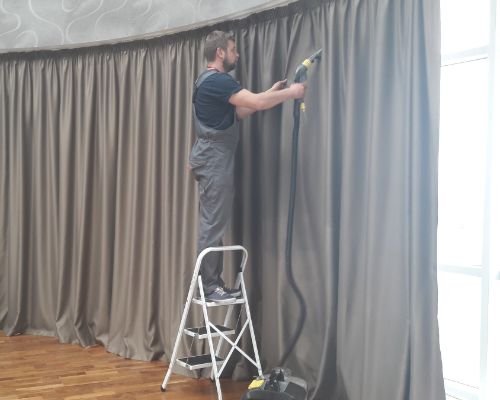
Before washing, take the time to dust and vacuum your drapes thoroughly. This step helps remove accumulated particles such as dust, pet dander, and dead skin cells, which can worsen respiratory issues. Utilizing a soft brush attachment on your vacuum can gently lift dirt without damaging the fabric. Additionally, clean any visible stains with a suitable cleaner, as treating spots before washing enhances overall cleanliness.
Once your curtains are cleaned, it is important to ensure they dry properly to prevent mold and mildew. Steer clear of leaving drapes in a damp condition after washing, as this could exacerbate indoor air quality problems. If possible, hang them outside to air dry, which also provides the advantage of natural sunlight that can help eliminate remaining allergens. If using a dryer, select a low-heat setting to reduce fabric wear while ensuring thorough drying.
Improving Interior Air Quality
Fresh curtains hold a crucial role in maintaining high indoor air quality. Eventually, curtains can collect dust and stains, which may contain allergens like dust mites, pet dander, and dead skin cells. When curtains are kept unwashed, they transform into a breeding ground for mold and mildew, further compromising the air we breathe. Routine washing aids get rid of these accumulated particles, making the air healthier for residents.
The presence of fungi and mold in soiled curtains can initiate respiratory problems, especially for people with asthma or other respiratory issues. The spores dispersed into the air can irritate the lungs and exacerbate existing health conditions. By utilizing a proper curtain cleaning method, such as washing curtains on a regular basis, you can significantly diminish these irritants, providing a more pleasant living environment.
Enhancing hygiene in your home also contributes to overall well-being. When you focus on curtain care, you are not only boosting air quality but also promoting a healthier lifestyle. Adhering to a curtain cleaning guide will ensure that your fabrics remain clean and free from harmful substances, ensuring your indoor air to be uncluttered from contaminants that can harm your health detrimentally.